US Truck AdBlue (SCR), NOx Sensor, EGR & DTC Removal Emulators
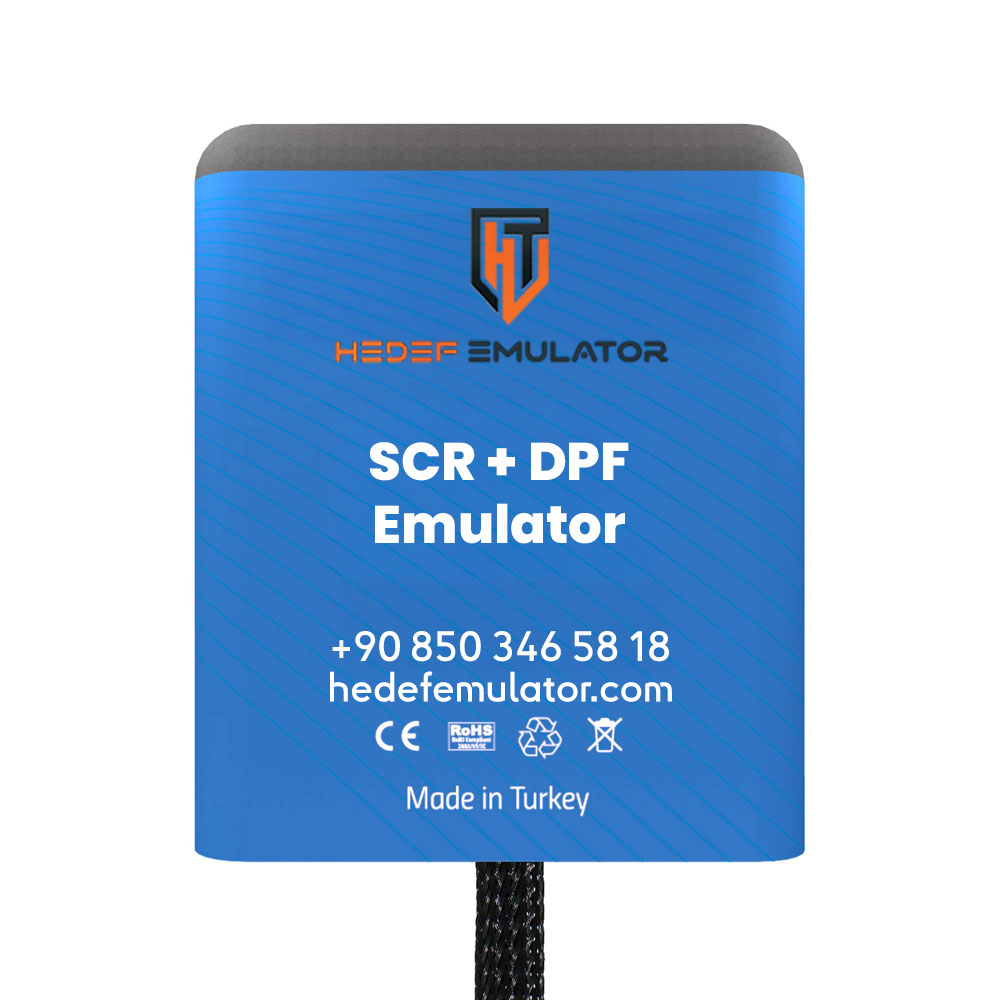
Purpose-built plug-in emulator devices for American heavy-duty trucks: Freightliner Cascadia, Peterbilt, Detroit, Volvo VNL, Maxxforce and more. Covering EPA GHG10, GHG14 and GHG17 emission standards, our range includes AdBlue (DEF/SCR) removal emulators, NOx sensor emulators, EGR removal emulators and DTC fault code erasers — all designed to eliminate emission-system downtime without software flashing or ECU remapping. 28 products.

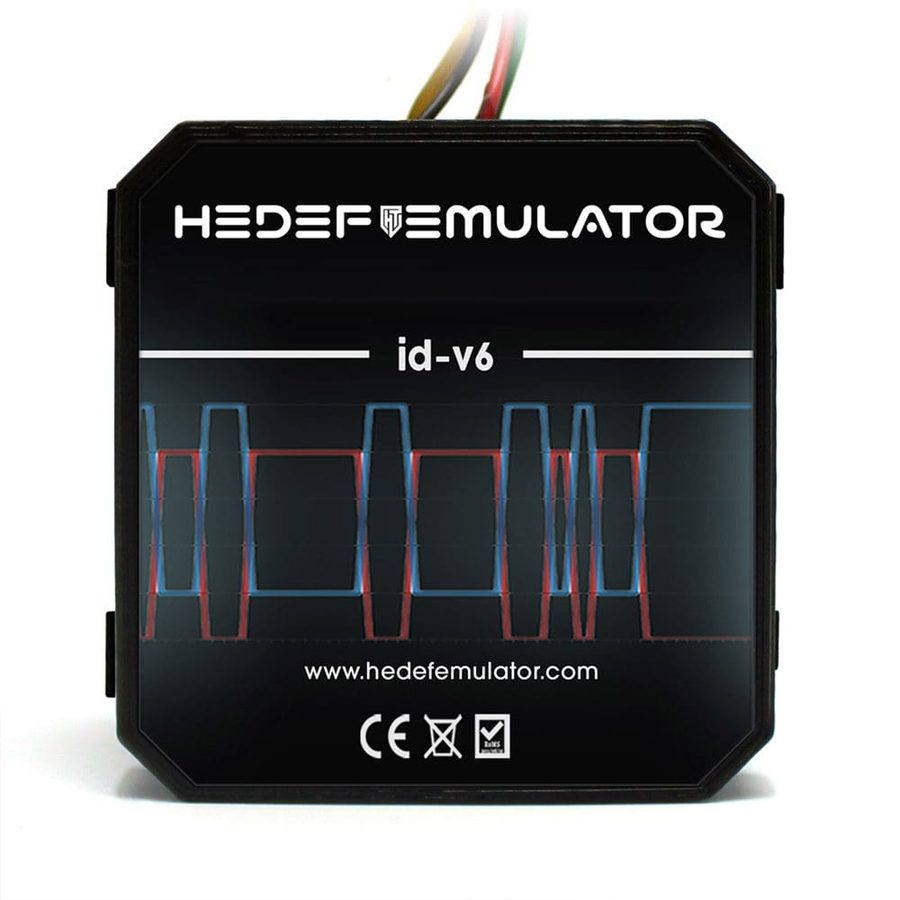


No products match your filters.
Message us on WhatsApp with your chassis number and we'll find your model together.
What Are US Truck Emission System Emulators?
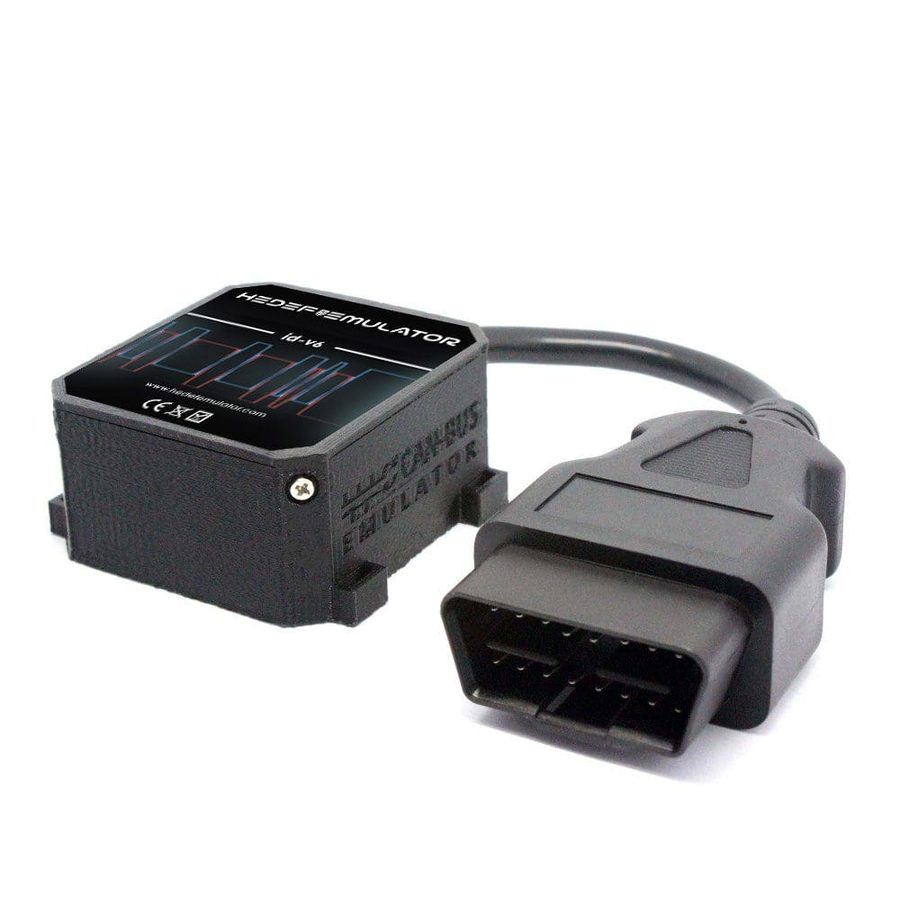
American heavy-duty trucks — including Detroit-powered Freightliner Cascadia models, Peterbilt with Paccar MX engines, Volvo VNL, and International Maxxforce-engined vehicles — are fitted with multi-component exhaust after-treatment systems governed by EPA GHG10, GHG14 and GHG17 standards. These systems combine SCR (Selective Catalytic Reduction) using AdBlue/DEF, EGR (Exhaust Gas Recirculation), NOx sensors and, on certain platforms, DPF assemblies. When a sensor fails, the DEF quality falls out of range, or a fault code accumulates in the ECU memory, the truck enters limp mode or shuts down entirely — causing costly unplanned downtime. A physical CAN-bus emulator device plugs into the existing wiring harness and transmits healthy sensor signals to the ECU, breaking the fault cycle and restoring normal engine output without touching the factory software.
Brands and Systems Covered
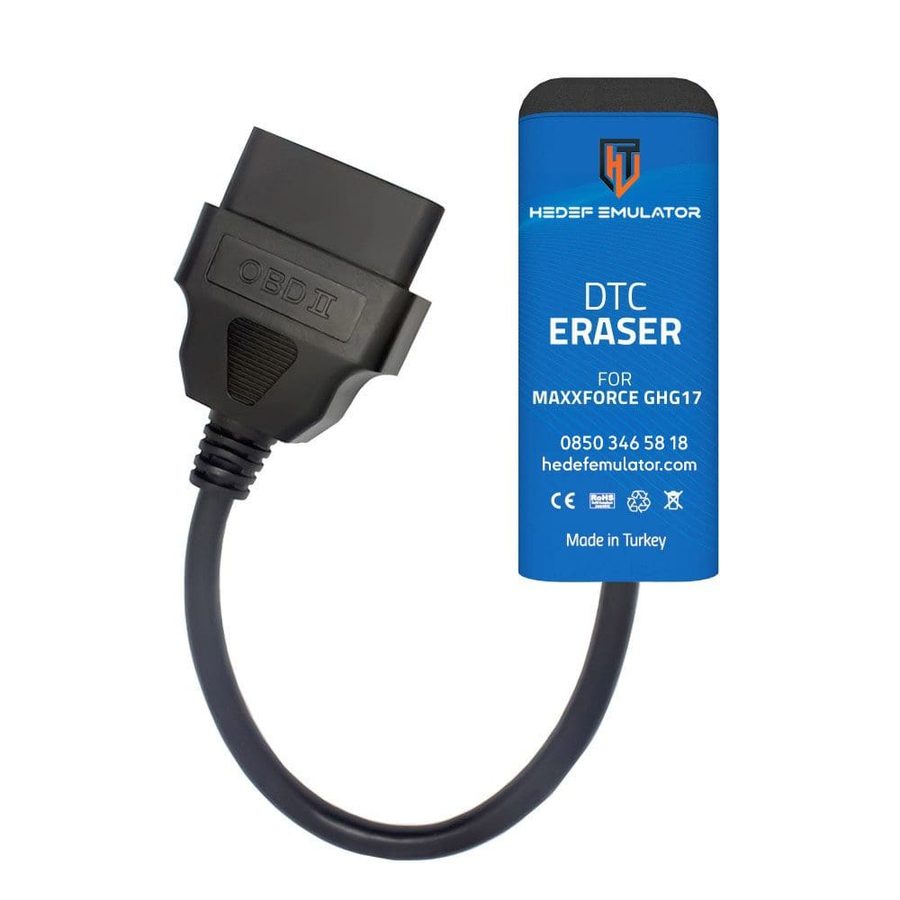
Detroit Truck (GHG14 / GHG17): NOx sensor emulator and DTC fault code eraser — restores full torque after NOx sensor failure or accumulated fault codes without limp-mode risk. Freightliner Cascadia (GHG10): AdBlue (SCR) removal emulator — eliminates recurring faults caused by DEF dosing pump failure, contaminated fluid or a faulty quality sensor. Maxxforce / International (GHG17, Euro 6-equivalent): NOx sensor emulator and OBD-compatible DTC eraser — the most common solution for operators running International-engined fleets. Peterbilt (EAS4, Paccar MX engine): EGR removal emulator — resolves EGR valve and cooler fault codes that trigger power derate on Paccar MX-series engines. Volvo VNL (North America / EPA spec): AdBlue (DEF/SCR) removal emulator — engineered specifically for the North American EPA variant, not interchangeable with European Volvo ECU architectures. Ford F-Line: speed-limiter (VMAX) removal emulator — addresses fleet-management speed-cap restrictions on applicable model variants.
EPA Standards and SCR Technology: How US Trucks Differ
The EPA GHG10, GHG14 and GHG17 tiers are the North American counterpart to Europe's Euro V and Euro VI norms. All three tiers mandate SCR technology, which injects a 32.5 % urea solution (AdBlue / DEF / AUS 32) into the exhaust stream to break down NOx into harmless nitrogen and water. The ECU continuously monitors NOx sensor readings upstream and downstream of the SCR catalyst, plus DEF quality and tank level. Any out-of-range reading triggers fault codes and, after a grace period, a torque derate. NOx sensor emulators feed the ECU plausible upstream and downstream readings, preventing the fault from escalating. AdBlue / DEF removal emulators additionally neutralise the dosing system monitoring loop, making them the all-in-one solution when the entire SCR assembly is bypassed.
Choosing the Right Emulator: Buyer's Guide
Confirm the GHG generation first: the GHG code (GHG10, GHG14 or GHG17) is printed on the engine emissions label inside the cab or on the engine block. An emulator designed for one generation cannot communicate with a different generation's ECU. Identify the faulty system before ordering: scan the truck with an OBD reader to determine whether the active fault originates in the AdBlue/SCR circuit, the NOx sensors, the EGR valve, or the DTC memory — this prevents buying an emulator for the wrong subsystem. Match the make: a Detroit-specific device will not function on a Freightliner or Peterbilt because each manufacturer uses a distinct CAN-bus protocol and connector pinout. Check VMAX compatibility: the speed-limiter emulator is supported only on specific Ford F-Line variants — verify the compatibility list on the product page before ordering. Plug-and-play installation: every device in this category connects to the existing OEM harness connector. No software flash, no laptop, no ECU bench work is required.
Why Choose a Physical Emulator Device?
Long-haul and cross-border freight operations cannot afford multi-day workshop stops caused by emission-system sensor failures. Unlike software-based remap solutions, a physical CAN-bus emulator device requires no laptop, no ECU bench flash and no recurring software licence — it ships ready to plug in. Every emulator in this US Trucks category has been developed specifically around the CAN-bus protocols and connector configurations of American-market vehicles: Detroit, Freightliner, Peterbilt, Maxxforce and Volvo VNL. Devices are dispatched via fast shipping, covered by warranty and supported by a technical team that can confirm compatibility from your VIN, engine code and GHG generation.
Warranty, Shipping and Technical Support
All US Truck emulator devices are sold with a manufacturer warranty. Orders are fulfilled and dispatched promptly so downtime is kept to a minimum. If you are unsure which device matches your truck, our technical support team will identify the correct emulator from your vehicle make, engine model and GHG emission tier. Devices that prove incompatible or arrive with a manufacturing defect are covered by a straightforward returns and exchange process.
Frequently Asked Questions
Which GHG generation is the Detroit Truck NOx sensor emulator compatible with?
We stock separate NOx sensor emulator devices for Detroit Truck GHG14 and GHG17. The GHG generation is clearly stated in each product title. Confirm your truck's generation from the engine emissions label inside the cab or from your service records before ordering.
Can I install the Freightliner Cascadia GHG10 AdBlue (DEF) emulator myself?
Yes. The device is a true plug-and-play unit that connects directly to the existing AdBlue/SCR system harness connectors. No software flashing, no ECU bench work and no specialist workshop tools are required. Full installation instructions are included in the box.
Will the Peterbilt EAS4 Paccar MX EGR removal emulator cause any torque loss?
No. The emulator transmits healthy EGR system signals to the ECU, which then has no reason to apply a power derate or enter limp mode. Product listings for this device explicitly confirm zero torque loss under normal operating conditions.
Do I need both a NOx sensor emulator and a DTC eraser for my Maxxforce GHG17 truck?
They serve different functions. The NOx sensor emulator prevents ongoing sensor-fault signals from reaching the ECU; the DTC fault code eraser clears existing fault codes already stored in ECU memory. Scan the truck first with an OBD reader: if you have active NOx faults and a backlog of stored codes, running both devices together gives the most complete resolution.
Will the Volvo VNL AdBlue (DEF) removal emulator work on European Volvo trucks?
No. The Volvo VNL emulator in this category is engineered for the North American EPA-specification ECU and CAN-bus architecture. European Volvo models use a different ECU configuration and protocol. For European-market Volvo trucks, please browse our Heavy-Duty Trucks category where the correct Euro V / Euro VI variants are listed.
Is the Ford F-Line VMAX speed-limiter removal emulator legal to use?
Emulator devices are manufactured for controlled off-road environments, closed-circuit testing and any other application where applicable local regulations permit their use. Operating a vehicle above posted speed limits on public roads is illegal in all jurisdictions. Before purchasing, confirm that your intended use case complies with the laws and regulations in your region.
Couldn't find the right model for your vehicle?
Send us your make and chassis details and our experts will find the right emulator in seconds.