
NOx Sensor Replacement or Emulator? A Cost Guide
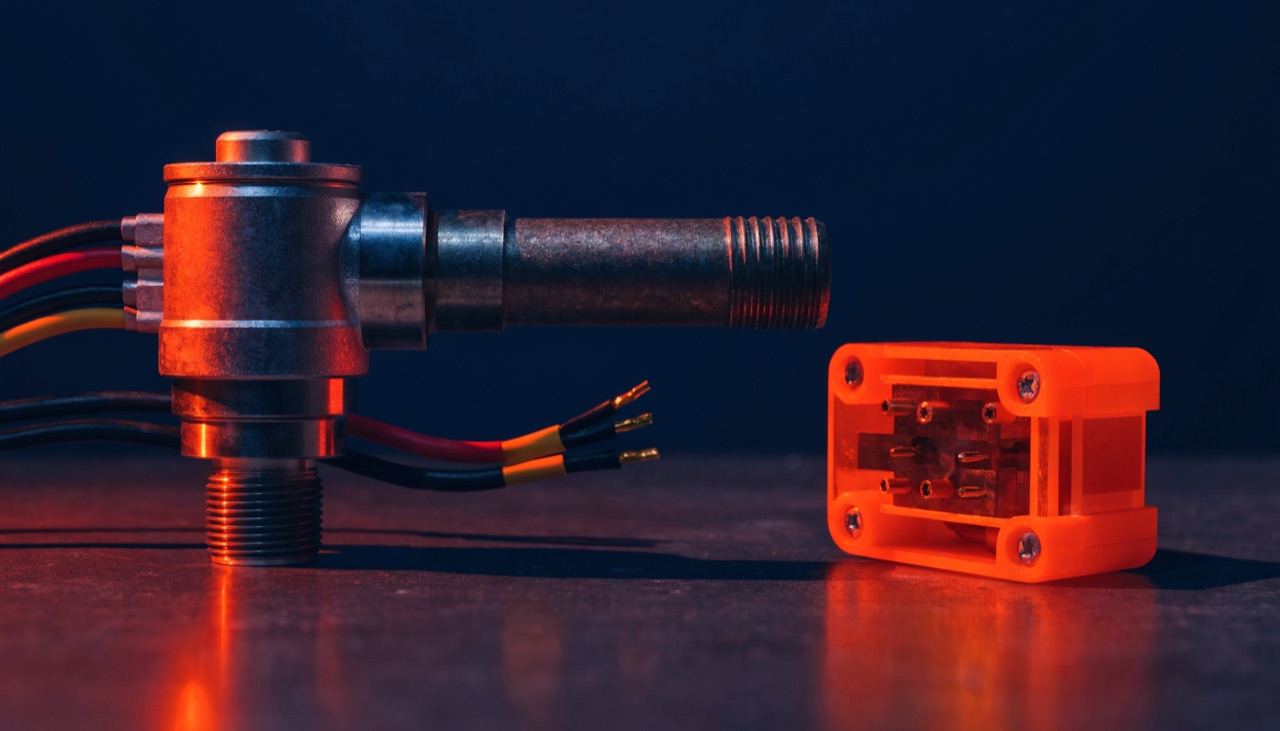
The mechanic slides out from under the car and hands you the quote. Next to the figure, in small print, it says “qty: 2”. You ask, “two?” and he shrugs: “One upstream, one downstream. Both need replacing.” That “Service Emissions System” warning that has been glowing on the dash for days suddenly costs far more than a single small sensor.
And that is the real issue. Even if you pay up and renew both sensors, the same engine keeps running the same roads on the same fuel. In other words, the conditions that landed you with this bill are not going anywhere. In this article we break down the true cost of replacing a NOx sensor, line by line, put the emulator option next to it, and show clearly which one actually protects your wallet.
Why NOx Sensors Die and What the Symptoms Are
A NOx sensor is a precision component that measures the amount of nitrogen oxide in the exhaust gas. It sits right in the middle of a hot exhaust flow, works under constant vibration and lives surrounded by soot. That trio, heat, soot and vibration, makes it a consumable part by its very nature. Sooner or later it is bound to give up.
When failure approaches, the first signals usually come from the dash. The most common is a “Service Emissions System” warning or something similar. This is often followed by limp mode, the vehicle’s self-protective reduced-power state. You press the throttle but the car will not pull. With a load on board, you struggle on hills.
In practice: Before the sensor fully dies, most drivers notice a visible rise in fuel consumption. If you are filling up more often and there is an emissions warning on the dash, the two are no coincidence; the system is most likely running you around in safe mode.
If you want to dig deeper into what a NOx sensor is and how it fails, the article what a NOx sensor is and its faults explains the subject from the ground up.
P2201 and P229F: What the Codes on the Quote Mean
When you visit the workshop, the diagnostic tool will read out two codes for you. These codes tell you which side of the sensor the problem is on and what kind of fault it is.
| Code | Meaning | Usually Points To |
|---|---|---|
| P2201 | NOx sensor range/performance (upstream) | The upstream sensor’s signal is outside the expected range |
| P229F | NOx sensor heater circuit (usually downstream) | A fault in the heater circuit of the downstream sensor |
Seeing these two codes at the same time is no surprise at all, because most vehicles carry two separate sensors, one upstream and one downstream. Once one starts to wear, the other is usually nearing the end of its life too. Even if a single code is cleared and the car runs fine for a few days, the warning soon returns if the second sensor is next in line. That is why workshops often say, “while we are in there, let’s do both at once”, and the invoice swells on that same logic. If you want to view code reading alongside other diesel emission faults, the diesel emission fault code guide is a solid reference point.
The True Cost of Replacing: Two Sensors, One Invoice
Now to the money side. The original (OEM) part price of a single NOx sensor alone is nothing to shrug off.
| Item | Approximate Cost | Note |
|---|---|---|
| Upstream sensor (OEM) | High (a costly OEM part) | Varies by make and model |
| Downstream sensor (OEM) | High (a costly OEM part) | Also present on most vehicles |
| Two sensors combined | A stacked total | Parts only, labour excluded |
| Workshop labour | Separate | Removal, fitting, coding |
| Fault clearing / testing | Separate | Equipment and labour charge |
So the calculation that starts with “how much can one sensor really cost” reaches a considerable total on most vehicles, with two parts plus the labour on top. And this table is the best-case scenario. If the sensor sits in a tight spot or its connection is seized with soot, the labour time, and therefore the charge, climbs even further.
The Most Critical Problem: Replacement Is Not Permanent
Say you swallow the cost and renew both sensors with genuine parts. The point most drivers miss is this: the newly fitted OEM sensor will run under the same heat, the same soot and the same vibration. The engine’s character has not changed, the fuel quality has not changed, your routes have not changed.
The outcome is clear. The new sensor, too, can wear out the same way and start throwing the same codes within a couple of years, sometimes sooner. In other words, the bill you paid did not solve the problem; it just pushed the calendar a few years down the line. This is not a cost, it is a cost cycle.
In practice: Fleet operators know this cycle all too well. Two sensors on each of ten vehicles turns into a maintenance line item that comes round every few years. In the article commercial vehicle and fleet AdBlue faults we look separately at how this recurring cost hits the fleet budget.
The Emulator: Hardware That Ends the Job at the Root
Here is the second option. A NOx emulator is a device that simulates the valid signal the faulty sensor should be sending to the ECU. Because the system sees valid data, it produces no fault code (DTC), the vehicle does not drop into limp mode and the emissions warning does not return.
Let’s clear up one misconception right away. An emulator is not software or a remap. It is a plug-and-play part that fits into the original socket. It does not touch the ECU software, it does not require cutting or soldering wires, it fits in around ten minutes on average and, if needed, it can be removed to return the vehicle to standard. In other words, it is not an irreversible modification.
Most importantly: the emulator removes the recurring sensor cost entirely. Because you are no longer waiting on a part to die; the signal comes from the hardware.
 RECOMMENDED DEVICEMAN Euro 6 NOx Sensor Emulator | SCR Fault SolutionView product →
If you are wondering whether AdBlue and emulator logic can harm your vehicle, the article is an AdBlue emulator safe or does it cause damage answers that question in detail.
Comparison Table: Replacement or Emulator?
Put the two routes side by side and it becomes clear which axis the decision really turns on.
| Option | Part | Labour | Permanence | Recurrence Risk |
|---|---|---|---|---|
| Single OEM sensor replacement | High | Removal + coding | Limited | High |
| Twin OEM sensor replacement | A stacked total | Two parts, longer | Limited | High |
| NOx emulator | Single device | Plug-and-play | Permanent | None |
The most telling column in the table is the one on the far right. With replacement, the recurrence risk always stays on the table; with an emulator, there is no part left to die, so that risk disappears from the start. Price difference aside, the real gain comes from breaking this cycle completely.
Which Makes Sense in Which Case?
The decision really comes down to what you want to do with the vehicle. If you are selling it soon and the buyer is likely to look for original hardware, a one-off replacement may be worth considering. But if you are keeping the vehicle long term, using it commercially or living through this scenario for a second time, ending the recurring cost is far more sensible.
On commercial vehicles like the Transit, Sprinter, Master, Berlingo and Ducato, or heavy vehicles like the Actros, the sensors work harder and therefore wear out more often. On these vehicles, the value of breaking the cycle multiplies. Bear in mind, too, that emulators differ by vehicle, engine and ECU type (control units such as MD1CS003, MD1CS016, SID212, SID321, MRD1, MD1CS069, EAS4 or DENSOD5E1C); for the right match, just share your vehicle details with us via our WhatsApp support line.
Caution: A NOx sensor fault does not always come alone; it can get tangled up with AdBlue quality or level sensor problems. To tell which symptom belongs to which, we recommend having a look at AdBlue fault symptoms and limp mode and AdBlue quality/level sensor or NOx sensor.
Why Hedef Emulator?
Matching the right product to the right vehicle is the most critical part of the job. With over 12 years of experience, more than 428 products prepared for 94 different brands and a 2-year warranty on every product, we find the solution that fits your vehicle exactly, together. Shipping is free, and because installation is plug-and-play you can fit it yourself with no need for an extra workshop visit.
At every step you are unsure of, our 24/7 WhatsApp support line (0507 687 18 40) is right there with you. Say you try the product and decide it does not fit your vehicle; you have the right to return it within 14 days. In short, we want you to feel backed up when you make your decision.
Legal notice: Modifying or disabling emissions hardware is subject to legal restrictions on road use and inspection in many countries. Our products are supplied for off-road use, export, racing and testing purposes; legal responsibility rests with the user.
Frequently Asked Questions
How much does a NOx sensor replacement cost?
As a part alone, a single sensor is a costly OEM item on most vehicles. Because most vehicles carry two sensors, one upstream and one downstream, the parts bill alone stacks up before you add workshop labour and the fault-clearing charge. Line by line, a single fault can leave you facing a serious invoice.
I fitted a new NOx sensor, so why did the fault come back?
A NOx sensor is a wear part, hammered by soot, high exhaust temperatures and constant vibration. As long as the same engine, the same driving conditions and the same fuel quality carry on, even a brand-new OEM sensor can die the same way within a couple of years. That is why replacement usually just postpones the problem; the cost cycle simply starts over.
What do the P2201 and P229F codes mean?
P2201 points to a range/performance problem on the upstream NOx sensor, while P229F usually flags the heater circuit on the downstream NOx sensor. Both tend to show up as a 'Service Emissions System' warning on the dash, often alongside limp mode (reduced-power mode).
What does a NOx emulator do in place of the sensor?
An emulator is a plug-and-play device that fits into the original socket. It simulates the valid signal the faulty sensor should be sending to the ECU, so the system produces no fault (DTC) and the vehicle does not drop into limp mode. It works without touching the software and without cutting or soldering wires, and it ends the recurring sensor bill at the root.
Will fitting an emulator improve fuel consumption?
When a NOx sensor fails, the vehicle usually shifts into a safe mode, which brings a clear rise in fuel consumption and a loss of torque. An emulator keeps the system running on its normal operating parameters, so the performance and consumption losses caused by safe mode disappear and the vehicle drives properly again.
Recommended Products


Looking for the right emulator for your vehicle?
Send us your make and chassis details and our experts will find the right solution in seconds.